Today’s technical teams need to have vast knowledge about devices that are getting more complex every year. However, plenty of these teams rely on a handful of ‘hero techs’—skilled senior workers, who are often soon to retire. And when they leave, their important know-how leaves the company with them.
How to prevent this loss of expertise? The answer is simple: Introduce knowledge transfer processes to your company.
The challenges of knowledge capturing
Let’s take a closer look at the term “knowledge” first. There are two basic types of knowledge in every company:
- Explicit knowledge: the facts, hard data, and documentation that can be written down and stored.
- Tacit knowledge: know-how of individual workers & entire teams that stems from personal experience (e.g., how to recognize machine malfunction early on, what is the safest solution to a problem…). It’s more intuitive and more difficult to capture and share with others.
The goal of knowledge management should be to preserve as much as you can of both of these knowledge types inside your company. A million-dollar question is how.
There are several possible options:
Create a company knowledge base
A knowledge base is a digital library of a company’s know-how, meaning it stores all the important information your employees may need, such as manuals, documentation, workflows, etc. It is usually available online on a secured cloud and accessible by both your teams in the office and in the field. The knowledge base can be a part of an MRO system like Lumnio, specialized software, or a company intranet.
Where to start? A truly useful knowledge base should:
- have a clear structure
- be easily searchable
- be written in a simple, easy-to-understand language
- include photos or videos to underline the main points
Start building your company knowledge base as soon as possible and ensure your know-how stays preserved.
Invest in employee training
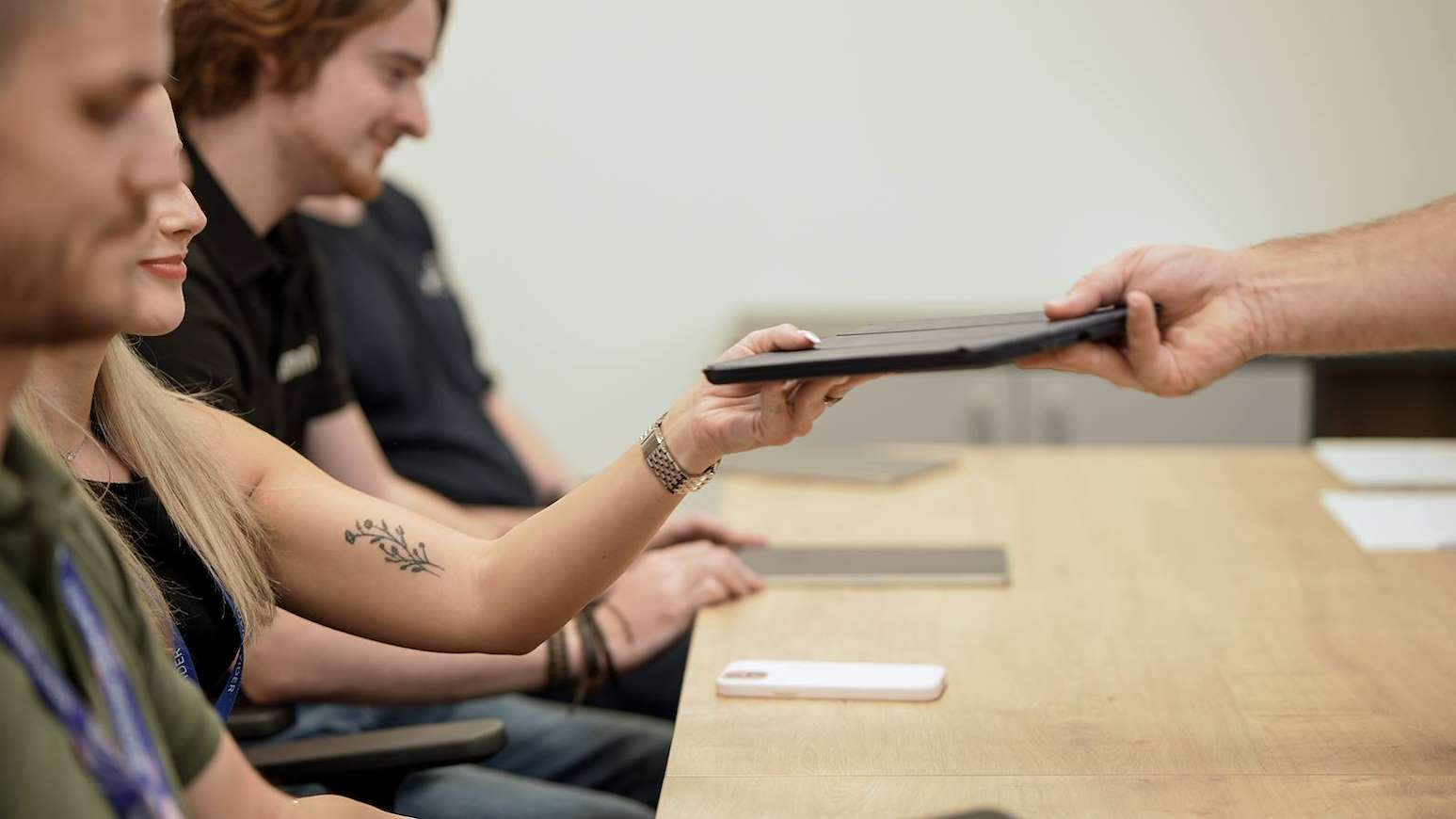
Another important opportunity for knowledge transfer is employee training. Digitization can turn your traditional lectures with endless presentations in front of a group of tired listeners into an interactive and much more efficient process.
Start using interactive software tools and improve the employees’ experience. Create digital work instructions with multimedia and tests that can be displayed from anywhere. Let new technicians learn from real-life examples: Enhance your training materials with photos and commented recordings of the actual work tasks (this is especially useful for sharing the tacit knowledge of your skilled employees).
Practice makes perfect – especially in training. Therefore, let the newcomers go to the field as soon as you can. But don’t let them go unprepared: Consider adding job shadowing to your training process to allow the rookies to explore what the work is about first. Or, to save time of your veteran technicians, give the newcomers access to your maintenance system, where they can find all standardized workflows and tech documentation on their own. It may be also useful to provide the new team members with remote support so they can consult experienced colleagues when they need to.
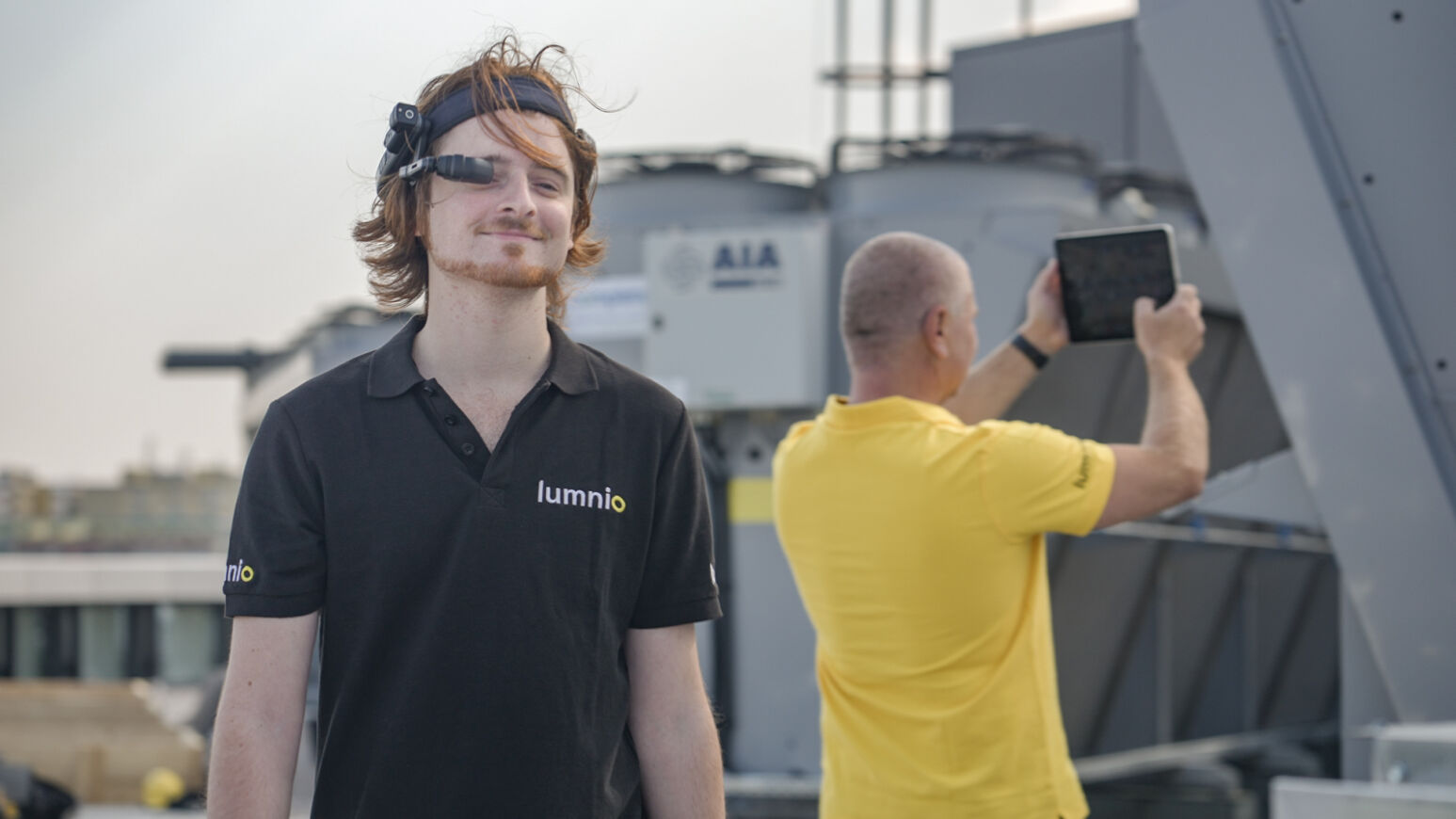
Tip! With Lumnio’s know-how capture features, your skilled technicians can easily create digital walkthroughs of their everyday tasks that are perfect for training purposes.
Implement knowledge handover process
Team changes pose a big challenge for keeping the expertise within the company. Once the veteran employee leaves, you don’t get his know-how back. That’s why it’s crucial to create a structured internal process focused on employees leaving the company (e.g., retiring workers, people preparing for maternity leave, laid-off employees…). An important part of this process should be the knowledge handover procedures.
Try synchronizing the handover and the onboarding, too, to make the employee replacement process as smooth as possible.
Nurture a friendly and open environment
Even though it may sound like a cliché, creating a motivating and open-minded company culture may greatly improve knowledge sharing within your company. Consider following steps to support this type of corporate atmosphere:
- Introduce a mentoring program for new hires. Assign every newcomer to a skilled “buddy” that can advise him. Don’t forget to reward the mentors for their extra effort.
- At the end of an important project/milestone, organize a debriefing where you discuss the lessons learned, best practices, and areas for future improvement.
- Offer opportunities to rotate work assignments among team members. This way, your technicians become more versatile and interchangeable.
Get a modern know-how sharing solution now
Digitization is the key to valuable knowledge transfer in your company. Start with it today. Try out Lumnio—the app that combines the best from both a standard MRO system and specialized knowledge base software. Get a 30-day free trial now. No strings attached.